:+86 15106109009
:sales@couplingzy.com

 kr
kr


고효율 진동 감쇠 커플링 기술이 산업 장비 수명과 운영 안정성을 극대화하는 궁극적인 열쇠인 이유는 무엇입니까?
Introduction to High-Efficiency Vibration-Damping Industrial Flexible Couplings
High-efficiency vibration-damping industrial flexible couplings 두 개의 샤프트를 연결하는 동시에 진동을 흡수하고 정렬 불량을 수용하며 손상된 충격 부하로부터 연결된 장비를 보호하도록 설계된 기계적 동력 전달 구성 요소의 중요한 범주를 나타냅니다. Unlike rigid couplings, which transmit torque through a direct and unyielding connection, flexible couplings incorporate elastomeric elements, metallic springs, or specially engineered structures that allow controlled movement between the connected components. This flexibility serves a dual purpose, enabling torque transmission while dampening the mechanical vibrations that would otherwise propagate through a drivetrain and accelerate wear on bearings, seals, and other precision components.
Across modern industrial settings, machinery rarely operates under perfectly aligned and vibration free conditions. Thermal expansion, foundation settling, manufacturing tolerances, and dynamic operating loads all contribute to small but persistent misalignments and oscillations within rotating equipment. High-efficiency vibration-damping flexible couplings address these realities directly, providing a buffer zone that absorbs disturbances before they can transfer between connected shafts. 이러한 기능으로 인해 장비 신뢰성과 운영 가동 시간이 가장 중요한 관심사인 제조, 에너지 생성, 자재 취급 및 공정 산업을 포함한 여러 분야에서 이러한 커플링이 없어서는 안 될 존재가 되었습니다.
The growing emphasis on energy efficiency and predictive maintenance within industrial operations has further elevated the importance of selecting the right coupling technology. Poorly performing couplings can silently degrade system efficiency, increase energy consumption through frictional losses, and contribute to premature equipment failure. 결과적으로, 엔지니어와 유지보수 전문가들은 점점 더 커플링 선택을 사소한 기계적 세부 사항이 아니라 전체 시스템 성능과 수명에 직접적인 영향을 미치는 전략적 결정으로 보고 있습니다.
Fundamental Working Principles and Vibration Damping Mechanisms
비틀림 유연성 및 에너지 소산
진동 감쇠 플렉서블 커플링의 핵심 기능은 연결된 샤프트 사이에 회전 동력을 전달하면서 비틀림 하중 하에서 약간 변형되는 능력에 중점을 두고 있습니다. As torque fluctuations occur, whether from motor startup transients, load variations, or resonance conditions, the flexible element within the coupling absorbs a portion of this energy through controlled deformation. 이러한 변형은 내부 재료 감쇠를 통해 교란되는 기계적 에너지의 측정치를 열로 변환하여 연결된 기계에 도달할 수 있는 진동의 진폭을 효과적으로 줄입니다.
오정렬 보상
순수한 진동 흡수 외에도 이러한 커플링은 세 가지 주요 유형의 샤프트 오정렬, 즉 샤프트 중심선이 특정 각도로 교차하는 각도 오정렬, 샤프트 중심선이 평행을 유지하지만 오프셋되는 평행 오정렬, 샤프트가 공통 축을 따라 서로 가까워지거나 멀어지는 축 오정렬을 수용합니다. 고효율 설계는 이러한 오정렬 유형의 조합을 동시에 허용하도록 설계되었습니다. 이는 완벽한 정렬이 거의 불가능하거나 확장된 작동 기간 동안 유지하는 것이 경제적으로 실용적인 실제 설치에서 특히 유용합니다.
감쇠계수 및 재료 히스테리시스
The effectiveness of vibration damping within a coupling is closely tied to the hysteresis properties of its flexible element material. 히스테리시스 손실 계수가 높은 재료는 사이클당 더 많은 진동 에너지를 소산하여 탁월한 감쇠 성능을 발휘합니다. 엔지니어는 각 변형 주기 동안 저장하는 에너지에 비해 재료가 흡수하는 에너지의 양을 설명하는 감쇠 계수를 통해 이러한 동작을 정량화합니다. 특정 작동 주파수 및 온도 범위에 적합한 히스테리시스 특성을 가진 재료를 선택하는 것은 커플링 설계 최적화의 핵심 과제입니다.
최적의 감쇠 성능을 위한 재료 선택
탄성 화합물
탄성중합체 소재는 고유한 유연성과 에너지 흡수 특성으로 인해 많은 고효율 진동 감쇠 커플링의 중추를 형성합니다. 천연 고무 화합물은 탁월한 감쇠 특성과 탄력성을 제공하지만 오일, 연료 또는 극한 온도에 노출되면 성능이 저하될 수 있습니다. 이러한 한계를 해결하기 위해 폴리우레탄, 네오프렌 및 니트릴 고무와 같은 합성 대체재가 개발되었으며, 각각은 내화학성, 온도 내성 및 반복 하중 조건에서 장기 내구성 측면에서 뚜렷한 이점을 제공합니다.
엔지니어링 복합 재료
Advanced composite materials incorporating fiber reinforcement within polymer matrices have emerged as a sophisticated solution for applications demanding both high torque capacity and superior damping characteristics. 이러한 복합재는 방향 강성 특성을 갖도록 설계할 수 있으므로 설계자는 특정 산업 응용 분야에서 발생하는 특정 하중 프로파일 및 진동 주파수에 대한 결합 동작을 미세 조정할 수 있습니다.
금속 스프링 요소
Certain high-efficiency coupling designs utilize metallic spring elements, such as disc springs or specially shaped metal grids, to achieve flexibility without relying on elastomeric components. 이러한 금속 설계는 고무 기반 재료가 급격히 저하되는 극한의 온도 환경에서 이점을 제공하며 일반적으로 지속적인 고부하 조건에서 더 긴 서비스 수명을 제공하지만 일반적으로 보조 감쇠 메커니즘과 결합되지 않는 한 탄성 대체재에 비해 고유 감쇠 용량이 다소 낮습니다.
하이브리드 재료 구성
현대의 많은 고효율 커플링은 금속 구조 요소와 탄성 감쇠 인서트를 결합한 하이브리드 구성을 사용합니다. 이러한 접근 방식을 통해 제조업체는 금속 구조의 하중 용량과 내구성 이점을 포착하는 동시에 탄성 재료와 관련된 우수한 진동 흡수 특성을 달성하여 단일 재료 대안보다 더 넓은 범위의 작동 조건에서 잘 작동하는 커플링 설계를 얻을 수 있습니다.
Major 커플링 유형s and Their Damping Characteristics
| Coupling Type | 1차 댐핑 메커니즘 | 일반적인 애플리케이션 초점 |
|---|---|---|
| 탄성 조 커플링 | 고무 스파이더 요소 압축 및 전단 | 일반 산업용 드라이브 및 펌프 |
| 타이어 유형 커플링 | 유연한 타이어 모양의 고무 요소 굴곡 | 헤비듀티 팬 및 압축기 |
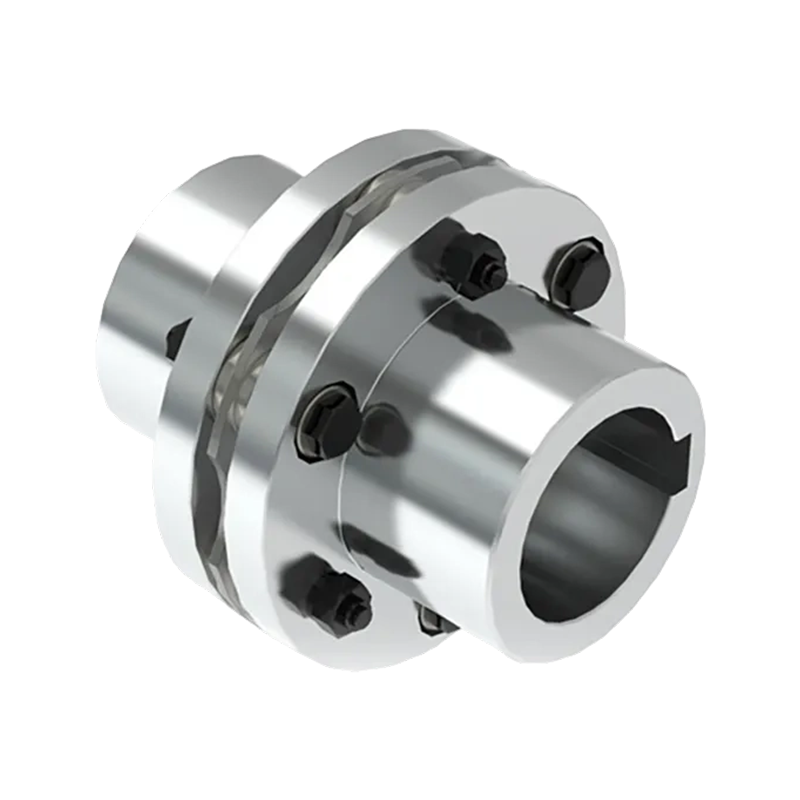
| 디스크 팩 커플링 | 제한된 감쇠로 구부러지는 얇은 금속 디스크 | 고속 정밀 애플리케이션 |
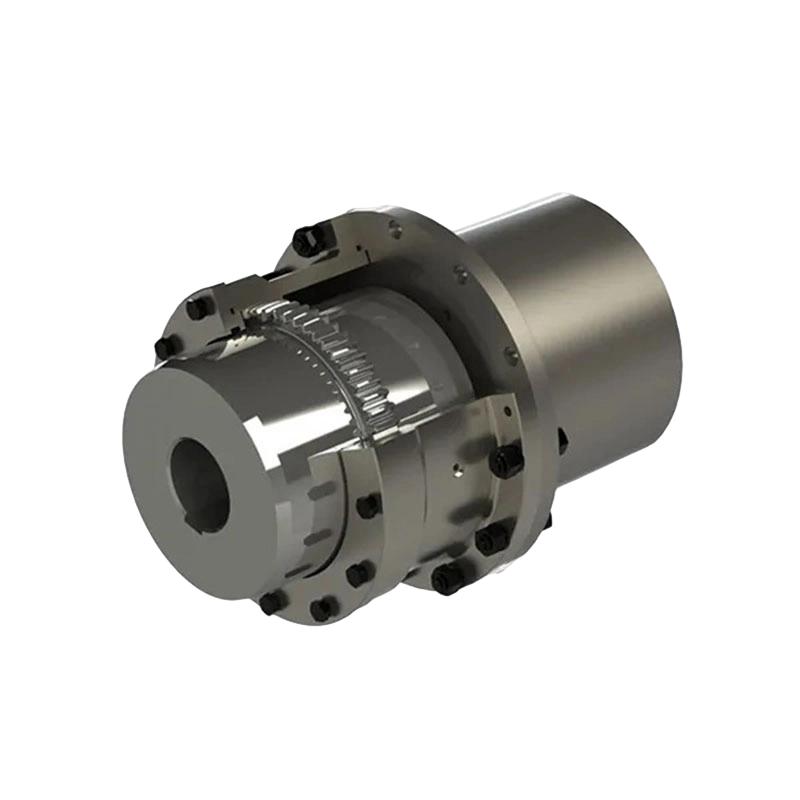
| 그리드 커플링 | Metal grid spring deflection within lubricated housing | 중공업 기계 및 공장 |
| 복합 부싱 커플링 | 폴리머 부싱 압축 및 전단 감쇠 | 가변 하중 및 충격에 취약한 장비 |
탄성 조 커플링
Jaw couplings utilize a star shaped or spider shaped elastomeric insert positioned between two hubs with interlocking jaws. This design provides reliable vibration damping while accommodating moderate misalignment, making it a popular choice across general industrial drive applications including pumps, fans, and conveyor systems where cost effectiveness and ease of maintenance are important considerations.
타이어 유형 커플링
Tire type couplings feature a continuous rubber element shaped somewhat like a tire that connects the two coupling hubs. 이 구성은 비틀림 진동을 흡수하고 상대적으로 큰 정도의 정렬 불량을 수용하는 데 탁월하므로 상당한 작동 충격 부하를 경험하는 팬, 송풍기 및 압축기와 관련된 고강도 응용 분야에 매우 적합합니다.
디스크 팩 커플링
Disc pack couplings employ thin metallic discs that flex slightly to accommodate misalignment while transmitting torque with minimal backlash. Although their inherent damping capacity tends to be lower than elastomeric designs, their precision and torsional stiffness make them valuable in high speed applications where positioning accuracy and minimal torsional windup are critical performance requirements.
그리드 커플링
Grid couplings utilize a serpentine metal spring grid that flexes within a lubricated housing, providing moderate damping alongside substantial torque capacity and durability. 이러한 커플링은 역사적으로 극한 하중 조건에서 견고성이 우선시되는 제철소 및 광산 작업과 같은 중공업 환경에서 광범위하게 사용되어 왔습니다.
복합 부싱 커플링
복합 부싱 커플링에는 교체 가능한 폴리머 부싱이 통합되어 있어 간단한 유지 관리와 함께 상당한 진동 감쇠 기능을 제공합니다. 부싱은 일반적으로 연결된 기계 정렬을 방해하지 않고 교체할 수 있기 때문입니다. This design has gained popularity in applications subject to frequent shock loading or variable torque demands.
Performance Evaluation Criteria and Testing Methods
비틀림 강성 측정
Engineers evaluate coupling performance partly through torsional stiffness measurements, which quantify the relationship between applied torque and resulting angular deflection within the flexible element. 낮은 비틀림 강성은 일반적으로 더 큰 진동 격리 기능과 관련이 있지만, 지나치게 낮은 강성은 특정 드라이브트레인 구성 내에서 원치 않는 비틀림 공진 문제를 일으킬 수 있으므로 설계 과정에서 신중한 균형이 필요합니다.
감쇠비 분석
감쇠비 테스트에는 커플링 샘플을 다양한 주파수에 걸쳐 제어된 진동 입력에 적용하고 결과적인 에너지 손실을 측정하는 작업이 포함됩니다. 이 데이터를 통해 엔지니어는 특정 커플링 설계가 특정 응용 분야에 대해 예상되는 작동 속도 범위에서 진동을 얼마나 효과적으로 억제하는지 나타내는 주파수 응답 곡선을 구성하여 실제 서비스 중에 문제가 되는 공진 조건을 방지하는 데 도움이 됩니다.
피로 수명 테스트
진동 감쇠 커플링은 작동 수명 전반에 걸쳐 지속적인 순환 하중을 경험하므로 시뮬레이션된 장기 조건에서의 피로 테스트는 예상 사용 수명에 관한 필수 데이터를 제공합니다. These tests typically subject coupling samples to millions of load cycles under controlled temperature and load conditions, allowing manufacturers to establish reliable service life predictions and maintenance interval recommendations for end users.
온도 성능 프로파일링
Because damping material properties shift considerably with temperature, comprehensive testing protocols evaluate coupling performance across the full anticipated operating temperature range for target applications. 이 테스트는 극한의 온도에서 감쇠 효과, 비틀림 강성 및 재료 내구성이 어떻게 변화하는지 보여 주며, 이는 실외 설치 또는 고온 공정 장비와 같은 까다로운 열 환경에서 작동하는 응용 분야에 필수적인 것으로 입증된 정보입니다.
산업 응용 분야 및 사용 사례
제조 및 생산 기계
제조 환경 내에서 고효율 진동 감쇠 플렉서블 커플링은 모터를 기어박스, 컨베이어 및 다양한 생산 라인 기계에 연결하는 데 필수적인 역할을 합니다. 이러한 커플링이 제공하는 진동 차단 기능은 드라이브트레인 교란으로부터 민감한 제조 장비를 보호하여 제품 품질을 향상하고 자동화된 생산 시스템 전반에 걸쳐 계획되지 않은 가동 중지 시간을 줄이는 데 도움이 됩니다.
에너지 생산 및 발전소
발전 시설은 발전소 운영에 내재된 열팽창 및 부하 변동으로 인해 정확한 정렬 유지 관리가 어려운 터빈, 발전기 및 보조 장비를 연결하기 위해 유연한 커플링에 크게 의존합니다. 제어되지 않은 진동은 심각한 안전 및 경제적 결과와 함께 치명적인 장비 고장을 초래할 수 있으므로 이러한 설정에서는 진동 감쇠 기능이 특히 중요합니다.
자재 취급 및 대량 처리
컨베이어 시스템, 파쇄기 및 대량 자재 취급 장비는 다양한 크기와 밀도의 자재가 처리 장비를 통과할 때 불규칙하고 충격을 받기 쉬운 적재 조건을 자주 경험합니다. 강력한 감쇠 특성을 갖춘 유연한 커플링은 예측할 수 없는 하중 이벤트로부터 구동계 구성 요소를 보호하여 장비 수명을 연장하고 채광, 골재 처리 및 농업 취급 작업 전반에 걸쳐 유지 관리 빈도를 줄입니다.
해양 및 해양 애플리케이션
해양 추진 시스템과 해양 장비는 엔진 작동으로 인한 지속적인 진동, 혹독한 환경 조건에 대한 노출, 까다로운 운영 일정에 따른 안정적인 성능 요구 등 고유한 과제에 직면해 있습니다. 해양용으로 설계된 특수 진동 감쇠 커플링에는 내식성 소재와 해양 디젤 엔진 및 추진 기계에서 생성되는 특정 진동 주파수에 적합한 향상된 감쇠 특성이 포함되는 경우가 많습니다.
펌핑 및 유체 전달 시스템
수처리, 화학 처리, 석유 및 가스 산업 전반의 펌프 응용 분야는 확장된 작동 기간 동안 펌프와 모터 장치 사이에 자주 발생하는 정렬 불량을 수용하는 동시에 씰과 베어링 마모를 가속화할 수 있는 유체 맥동 및 캐비테이션 현상과 관련된 진동을 완화하기 위해 유연한 커플링을 사용합니다.
산업용 애플리케이션 선택 기준
토크 및 속도 요구 사항
적절한 크기의 커플링을 선택하는 것은 해당 응용 분야에 예상되는 토크 요구 사항과 작동 속도 범위를 주의 깊게 분석하는 것부터 시작됩니다. 엔지니어는 안정된 상태의 작동 조건뿐만 아니라 시동 중에 발생할 수 있는 최대 토크 이벤트, 갑작스러운 부하 변화 또는 결함 조건도 고려하여 선택한 커플링이 예상되는 모든 작동 시나리오에서 적절한 안전 마진을 유지하는지 확인해야 합니다.
오정렬 공차 평가
예상되는 설치 오정렬에 대한 현실적인 평가는 적절한 커플링 유형과 유연한 요소 설계를 결정하는 데 도움이 됩니다. 예를 들어 기초 정착 또는 열 성장으로 인해 장비 사용 수명 전체에 걸쳐 정확한 정렬을 보장할 수 없는 응용 분야에서는 일반적으로 더 큰 정렬 불량 수용 용량을 제공하는 커플링 설계가 도움이 됩니다.
환경적 작동 조건
극한의 온도, 화학 물질 노출, 습기 또는 미립자 오염 및 기타 환경 요인은 유연한 커플링 요소의 재료 선택에 큰 영향을 미칩니다. 열악한 환경에서 작동하는 응용 분야에는 일반적으로 예상되는 서비스 간격 동안 안정적인 성능을 유지하기 위해 특수 재료 배합이나 보호 하우징 설계가 필요합니다.
유지 관리 접근성 및 수명 주기 비용
유지 보수 접근성 및 교체 절차에 관한 실제적인 고려 사항은 커플링 선택 결정에 영향을 미치며, 특히 장비 가동 중지 시간이 상당한 경제적 결과를 초래하는 설치의 경우 더욱 그렇습니다. 연결된 장비를 완전히 분해하지 않고도 유연한 요소 교체가 가능한 커플링 설계는 장비 작동 수명 동안 유지 관리 관련 가동 중지 시간을 크게 줄일 수 있습니다.
진동 주파수 매칭
특정 드라이브트레인 구성 내에 존재하는 주요 진동 주파수를 이해하면 엔지니어는 해당 특정 주파수에 최적화된 감쇠 특성을 갖춘 커플링 설계를 선택할 수 있습니다. 이 주파수 매칭 연습은 커플링 고유 주파수가 작동 진동 소스와 불리하게 정렬되는 공진 조건을 방지하는 데 도움이 되며, 이는 시스템 진동을 약화시키기보다는 극적으로 증폭시킬 수 있는 시나리오입니다.
에너지 효율성 고려 사항 및 시스템 최적화
고효율 진동 감쇠 커플링은 여러 상호 연결된 메커니즘을 통해 전체 시스템 에너지 효율성에 기여합니다. 연결된 드라이브트레인 구성 요소 전반에 걸쳐 진동 전달을 줄임으로써 이러한 커플링은 베어링, 씰 및 기타 회전 구성 요소 내의 불필요한 기계적 응력과 마찰을 통해 발생할 수 있는 기생 에너지 손실을 최소화합니다. 진동 감소는 소음 배출 감소로 이어져 작업장 환경 개선에 기여하는 동시에 더 넓은 시스템 내에서 기계적 스트레스 감소를 간접적으로 나타냅니다.
시스템 설계자들은 커플링 선택을 개별적인 구성 요소 결정으로 보기보다는 전체적인 드라이브트레인 최적화 전략의 일부로 점점 더 접근하고 있습니다. 이러한 통합적 관점은 커플링 특성이 모터 성능, 기어박스 효율 및 연결된 장비의 동적 동작과 어떻게 상호 작용하는지 고려하여 전체 예상 작동 조건에서 안정적인 작동을 유지하면서 전체 에너지 소비를 최소화하는 구성을 식별합니다.
예측 유지 관리 기술은 장비 작동 전반에 걸쳐 진동 신호를 지속적으로 모니터링함으로써 고효율 커플링의 가치 제안을 더욱 향상시켰습니다. 커플링 설치 근처에 위치한 진동 센서는 정렬 불량, 베어링 마모 또는 커플링 성능 저하를 나타낼 수 있는 진동 패턴의 미묘한 변화를 감지할 수 있으므로 유지 관리 팀은 문제가 더 심각한 장비 고장이나 계획되지 않은 생산 중단으로 확대되기 전에 문제를 사전에 해결할 수 있습니다.
설치 모범 사례 및 유지 관리 고려 사항
적절한 정렬 절차
플렉서블 커플링은 어느 정도의 정렬 불량을 수용하지만 초기 정렬 불량을 줄이면 커플링 서비스 수명이 연장되고 연결된 베어링과 씰에 불필요한 응력이 최소화되므로 설치 절차에서는 실제로 달성 가능한 가장 정확한 정렬을 위해 노력해야 합니다. 레이저 정렬 도구는 많은 산업 유지 관리 작업에서 표준 관행이 되었으며 기존 다이얼 표시기 방법을 훨씬 능가하는 정밀도를 제공합니다.
토크 사양 준수
부적절한 토크 적용으로 인해 커플링 성능이 저하되거나 조기 고장이 발생할 수 있으므로 설치 절차에서는 하드웨어 고정을 위해 제조업체가 지정한 토크 값을 주의 깊게 따라야 합니다. 과도하게 조이면 커플링 부품 내에 원치 않는 응력 집중이 발생할 수 있으며, 너무 조이면 과도한 움직임이 발생하여 마모가 가속화되거나 토크 전달 신뢰성이 손상될 수 있습니다.
정기 검사 프로토콜
정기적인 검사 일정을 수립하면 예상치 못한 장비 가동 중단이 발생하기 전에 발생하는 문제를 식별하는 데 도움이 됩니다. 진동 모니터링 및 온도 확인과 결합된 탄성중합체 요소의 균열, 변형 또는 재료 저하에 대한 육안 검사를 통해 작동 수명 전반에 걸쳐 커플링 상태에 대한 포괄적인 통찰력을 제공합니다.
교체 요소 소싱
설치된 커플링 모델에 특정한 교체용 유연 요소의 적절한 재고를 유지하면 예정된 또는 예정되지 않은 유지 관리가 필요할 때 가동 중지 시간을 최소화하는 데 도움이 됩니다. 전체 생산 과정에서 일관된 재료 구성과 품질 표준을 유지하는 평판이 좋은 제조업체와 협력하면 교체 구성 요소가 원래 설치와 일관되게 작동하도록 보장할 수 있습니다.
새로운 트렌드와 미래 개발
고효율 진동 감쇠 커플링 기술의 지속적인 발전은 신뢰성 향상, 유지 관리 요구 사항 감소, 데이터 통합 기능 향상을 향한 광범위한 산업 추세를 반영합니다. 제조업체에서는 내장형 센서 기술을 커플링 어셈블리에 직접 통합하는 경우가 늘어나고 있으며, 이를 통해 별도의 외부 모니터링 장비를 설치하지 않고도 온도, 진동 진폭, 회전 속도 등의 작동 조건을 실시간으로 모니터링할 수 있습니다.
첨단 재료 과학 연구를 통해 까다로운 산업 환경에 필요한 내구성과 내화학성을 유지하면서 더 넓은 온도 범위에서 향상된 감쇠 특성을 제공하는 새로운 엘라스토머 및 복합재 제제가 계속해서 생산되고 있습니다. 이러한 소재 혁신은 기존의 유연한 커플링 기술로는 너무 까다롭게 여겨졌던 응용 분야에서 우수한 성능을 제공할 수 있는 커플링 설계를 약속합니다.
디지털 시뮬레이션 도구는 또한 커플링 설계 및 선택 프로세스를 변화시켜 엔지니어가 물리적 프로토타입 제작을 시작하기 전에 더 정확하게 동적 시스템 동작을 모델링할 수 있도록 해줍니다. 이 기능은 맞춤형 커플링 솔루션의 개발 일정을 단축하는 동시에 선택한 설계가 특정 응용 분야 내에서 의도한 대로 작동할 것이라는 확신을 높여 궁극적으로 다양한 부문에 걸쳐 보다 안정적이고 효율적인 산업용 전력 전송 시스템에 기여합니다.
고효율 진동 감쇠 산업용 플렉서블 커플링은 현대 기계식 동력 전달 시스템의 기본 구성 요소 역할을 하며 장비 신뢰성과 작동 효율성을 저하시킬 수 있는 오정렬, 충격 부하 및 진동 전달에 대한 필수적인 보호 기능을 제공합니다. 재료 선택, 설계 구성 및 응용 분야별 요구 사항에 대한 세심한 주의를 통해 이러한 커플링은 제조 및 에너지 생성부터 해양 추진 및 유체 처리 시스템에 이르기까지 다양한 산업 부문에 걸쳐 상당한 가치를 제공합니다.
산업 운영에서 장비 신뢰성, 에너지 효율성 및 예측 유지 관리 기능을 계속 우선시함에 따라 적절한 커플링 기술을 선택하는 전략적 중요성은 계속 커질 것입니다. 철저한 커플링 선택 프로세스, 적절한 설치 관행 및 지속적인 유지 관리 프로토콜에 투자하는 조직은 고효율 진동 감쇠 커플링 기술이 제공하는 전체 성능 및 수명 이점을 실현하여 궁극적으로 장비 서비스 수명 전반에 걸쳐 보다 안정적이고 비용 효율적인 산업 운영을 지원합니다.